
-
Top Three Reasons To Immobilize Your Enzyme
You’ve finally mastered your biocatalytic process in the lab. Moving your enzyme(s) from a successful soluble assay to a scalable manufacturing process is a massive, highly anticipated, milestone for any biotech team. But as you transition to pilot or commercial scale, the realities of biomanufacturing set in. Catalyst costs, downstream processing (DSP) bottlenecks, and regulatory hurdles that were manageable in the lab quickly erode your…
-
Five Crucial Variables to Control in Your Enzymatic Reactor
You’ve finally cracked it at the benchtop. Moving from a successful milliliter scale assay to a scalable manufacturing reactor is a massive, highly anticipated milestone for any biotech team. But as you scale, new challenges arise. Variables that you optimized perfectly for your lab scale equipment are no longer appropriate in a large vessel. Enzymatic reactors come in a wide range of sizes and complexities.…
-
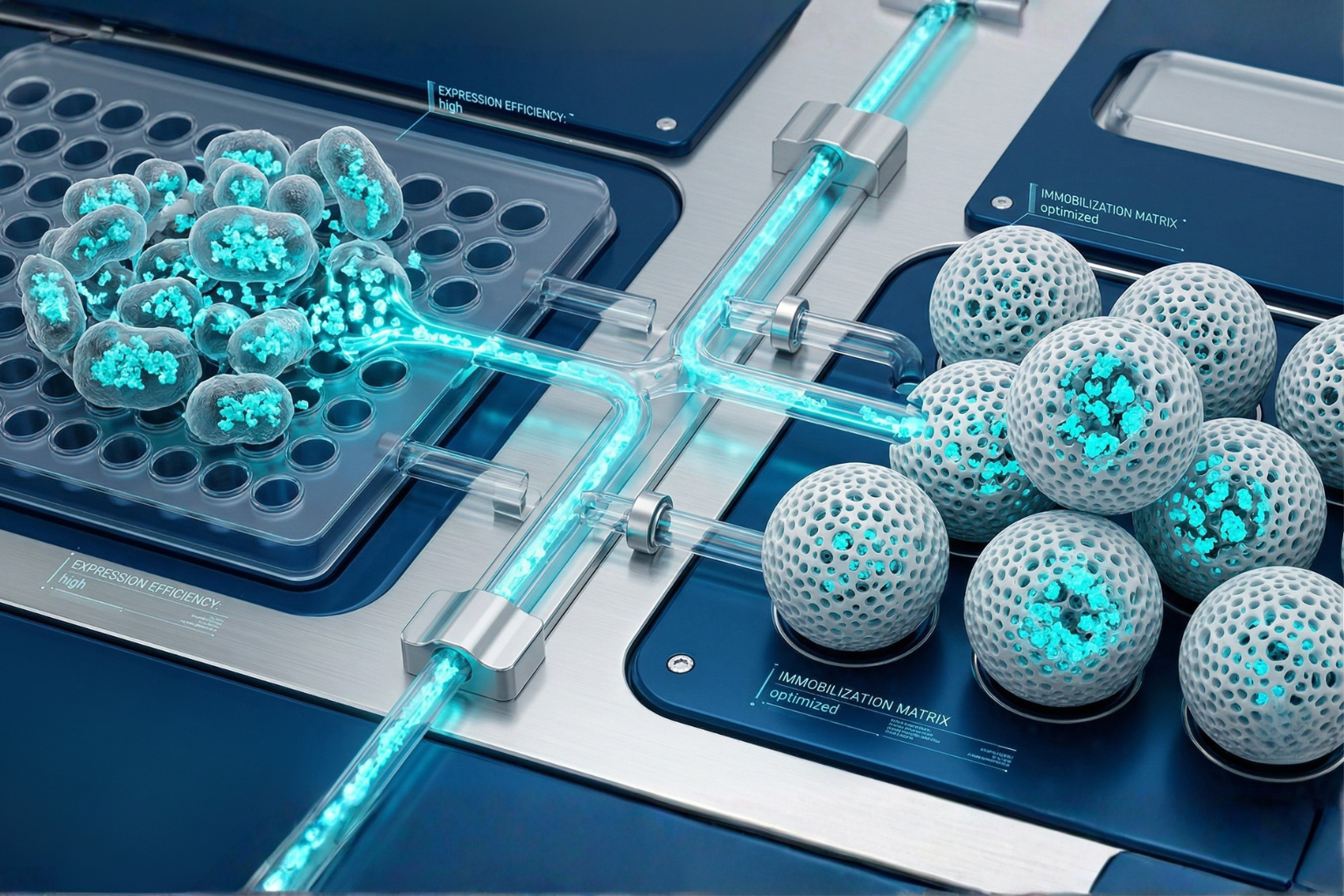
Integrating biocatalyst production and Immobilization
For biotech startups and established industrial facilities alike, scaling immobilized biocatalysts from a benchtop curiosity to a commercially viable process is a massive undertaking. Cell-free biocatalysis relies on enzymes isolated from living organisms – typically microbes – to drive complex chemical transformations under mild conditions. The ultimate success of a biocatalytic reactor hinges on the price and quality the materials used as well as the…
-
Mastering pH Control for Successful Enzyme Immobilization
Need Help Controlling Reactor Conditions Such As pH? Talk to a Solidzymes Expert Today. For innovators scaling up a biocatalytic process, it is important to maintain control over the conditions in the enzymatic reactor such as substrate / product concentrations, temperature, and pH. Unanticipated pH changes, in particular, often causes unexpected delays and activity drops during scale-up. While controlling pH in a standard solution is…
-
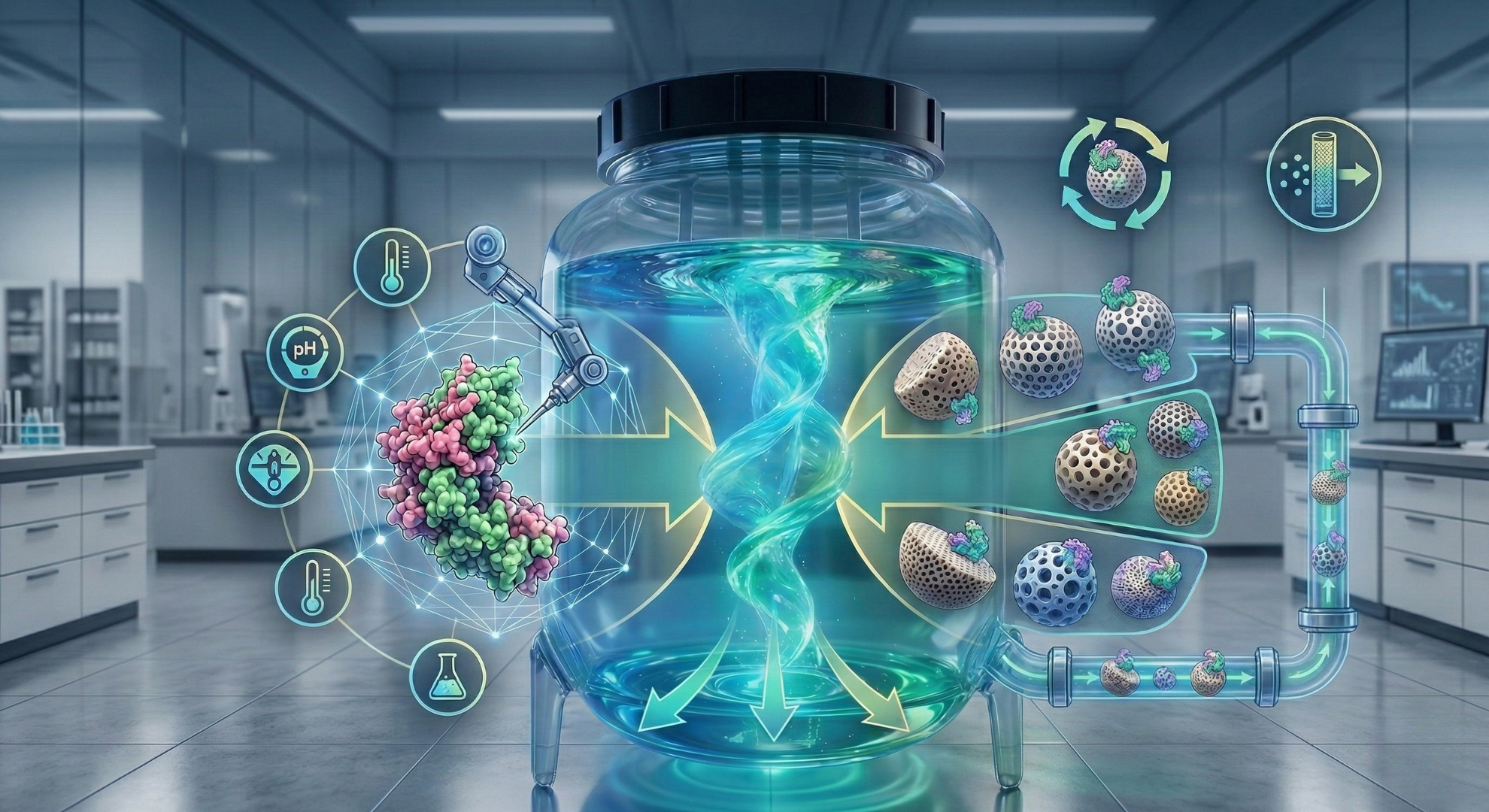
Integrating Enzyme Engineering and Immobilization for Scalable Biocatalysis
For companies scaling a biocatalytic process presents a complex web of financial and technical hurdles. You are constantly balancing the need for higher yields and robust stability against the harsh realities of production costs. When preparing for large-scale enzyme applications, two powerful optimization levers exist: Enzyme Engineering and Enzyme Immobilization. Both levers work well to reduce production costs. But a common dilemma arises – which…
-
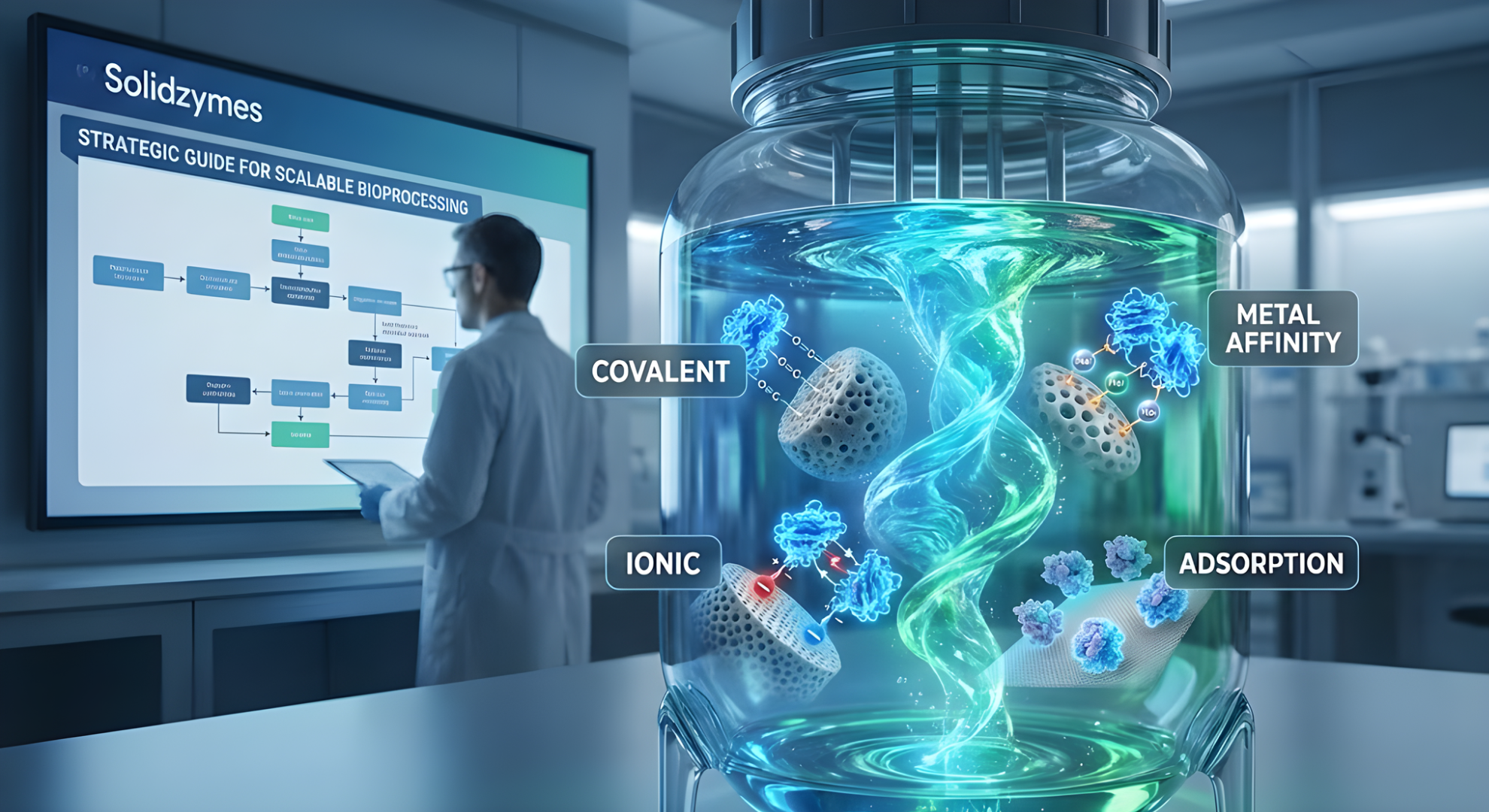
Choosing the Right Enzyme Immobilization Chemistry: A Strategic Guide for Scalable Biocatalysis
Selecting the correct enzyme immobilization chemistry is critical for process stability and cost. This guide compares covalent, metal affinity, ionic, and adsorption methods to help PIs and Innovators optimize biocatalyst performance for industrial scale-up. 💬 Need help? Talk to a Solidzymes expert today. Introduction: Why Enzyme Immobilization Chemistry Choice is A Crucial Scale-Up Decision In the lab, an enzyme’s activity is the priority. At scale,…
-

Controlling the Reaction: A Practical Guide to Enzyme Kinetics & Active Sites
For the industrial scientist, speed in enzyme kinetics isn’t just a metric; it is the difference between a bench-scale curiosity and a commercially viable process. While the fundamental definition of a catalyst is elementary, the engineering required to optimize that catalyst for specific industrial conditions is anything but. In the realm of enzyme kinetics, we focus on maximizing efficiency and effectiveness. At the C-suite and…
-
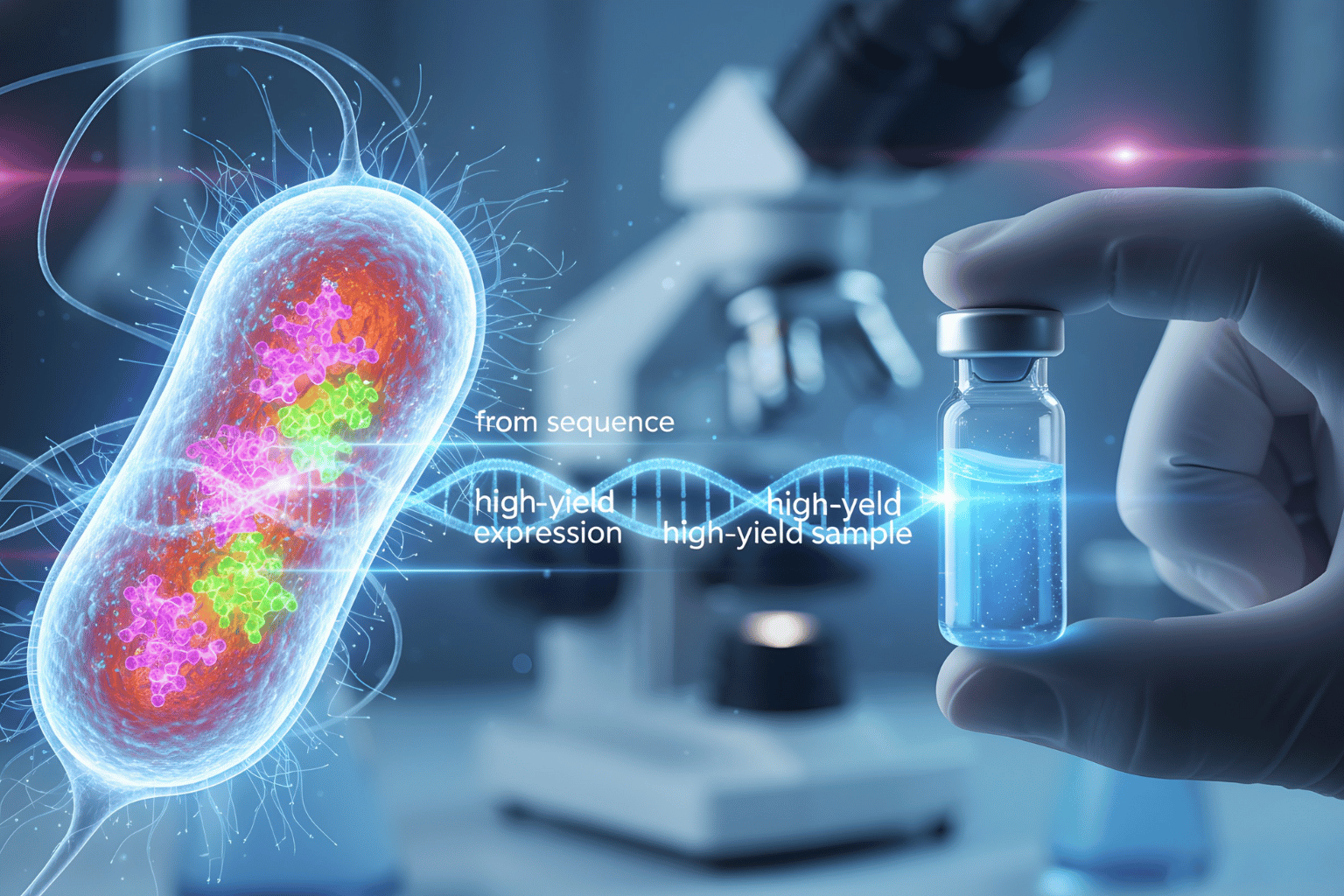
The PI’s Guide to E. Coli Expression: From Sequence to High-Yield Sample
In research, every second and every microgram of protein counts. Grant deadlines loom, publications are pending, and you need a reliable, cost-effective, and scalable method to produce your protein of interest. While newer, more complex expression systems get a lot of attention, one host remains the undisputed workhorse of molecular biology: Escherichia coli. For Principal Investigators, CSOs, and research scientists, E. coli is often the…
-
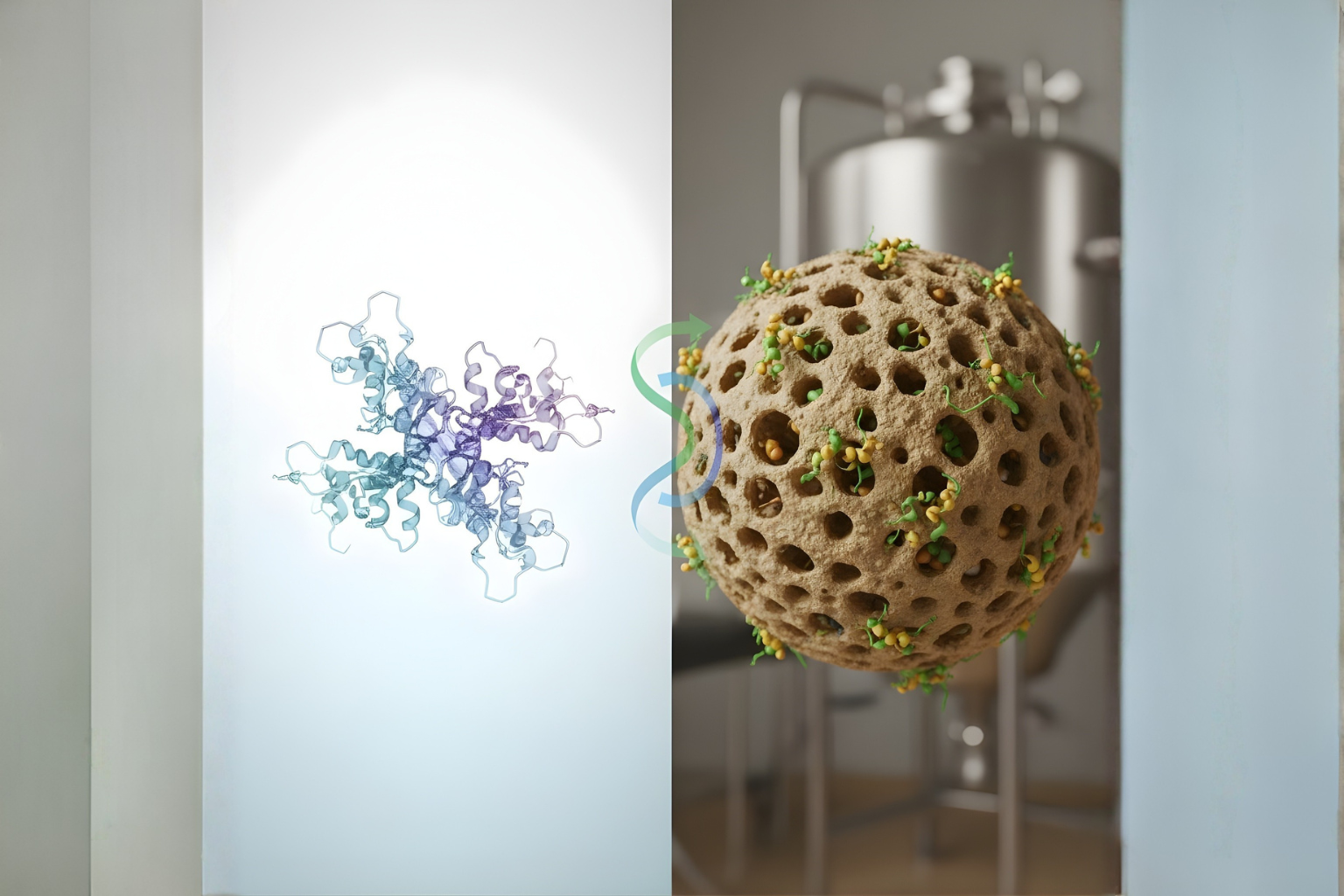
Purifying an Enzyme or Scaling a Biocatalyst? Choosing the Right Immobilization Strategy
You’ve done it. After countless hours in the lab, you’ve engineered the perfect enzyme. It has the potential to revolutionize a manufacturing process or unlock a new frontier in your research. But now comes the critical next step: your immobilization strategy. Attaching your protein to a solid surface is essential, but it’s not a one-size-fits-all solution. The strategy that works flawlessly for purifying a small…
-
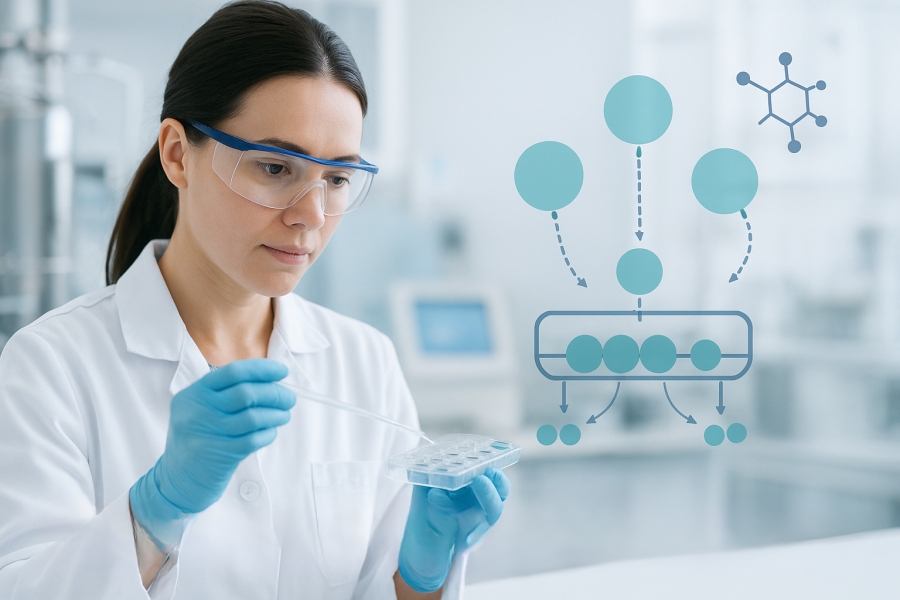
Co-Immobilization of Enzymes: The Innovation Reshaping Bioprocessing
Why Are We Excited About Co-Immobilization of Enzymes? If you’re working in food tech, biopharma, pharma process chemistry, or procurement, you know the challenges: long development cycles, high enzyme costs, unstable intermediates, and scalability hurdles. One strategy consistently changing the game? Co-immobilizing multiple enzymes on a single carrier, enabling them to act in sequence within a stable micro-environment. Here’s why this matters—and how it can…
Insights & Innovations
Here you can read about current events and examples from finished projects.